

If you were a tech enthusiast a few years ago, you definitely remember the absolute hype surrounding OnePlus. It was the ultimate underdog story in the mobile world. A small, ambitious company stepped into the crowded smartphone arena and boldly declared war on massive tech giants like Apple and Samsung. Their weapon? Premium, high-end smartphones sold at a fraction of the cost of a traditional flagship. They even adopted a vibrant, community-driven motto that resonated with millions: "Never Settle."
Fast forward to today, and the conversation around OnePlus feels completely different. Instead of praise for groundbreaking innovation and pro-consumer choices, tech forums are filled with complaints about messy software updates, hardware defects, and an apparent identity crisis. In early 2026, rumors even swirled across tech communities that the brand's distinct footprint was fading into the shadow of its parent company, Oppo, following a massive 20% drop in global smartphone shipments. While leadership was quick to deny any talk of disappearing, one thing is crystal clear: the unique spark that made OnePlus special has faded.
How did the beloved "Flagship Killer" lose its way? Why does a brand that once stood for the community now feel like just another corporate entity? Let’s break down the journey, the missteps, and what the current reality means for this iconic tech brand.

[Image Source: OnePlus Official Brand Assets]
The official, minimalist red and white "Never Settle" brand identity that defined early OnePlus.
The Golden Era: When OnePlus Was King
To truly understand the heartbreak of the OnePlus community, we have to look back at how it all started. Cast your mind back to 2014. Buying a premium smartphone meant dropping $700 or more, which was a massive amount of money at the time. Then came the OnePlus One. For an unbelievable price of just $300, it offered the fastest processor available, a unique sandstone textured back, and clean, developer-friendly software.
It was so exclusive that you actually needed a special digital invite from another user just to buy one! It felt like an exclusive, underground club for people who truly loved technology. By cutting out traditional, expensive marketing campaigns and bypassing physical retail stores, OnePlus passed all those savings directly to consumers. They listened closely to their community forums, implemented user feedback overnight, and built an incredibly loyal fanbase.
Think of early OnePlus like your favorite indie rock band that played intimate local shows. They were raw, authentic, and entirely focused on the music. But what happens when that indie band signs with a major record label and tries to write mainstream stadium-pop hits? Usually, they lose the very crowd that put them on the map. That is exactly what happened here.
The Turning Point: Deep Integration with Oppo
For years, tech insiders knew that OnePlus shared a corporate umbrella with Oppo under a massive conglomerate called BBK Electronics. However, OnePlus always operated with complete independence. It had its own design philosophy, its own marketing voice, and most importantly, its own software team.
That wall crumbled entirely when OnePlus formally merged its operations with Oppo to streamline production and cut costs. Soon after, the devastating blow came for software purists: OnePlus announced it was merging its legendary, ultra-clean operating system, OxygenOS, with Oppo’s heavily customized software layer, ColorOS.
The Death of Clean Software
OxygenOS was widely considered the best software on any Android phone. It was blisteringly fast, entirely free of bloatware, and looked very close to standard Google Android. The corporate merger turned it into what fans jokingly called "ColorOS in a trench coat."
Suddenly, users were hit with unwanted pre-installed apps, heavy cartoonish visual designs, and a wave of frustrating software bugs that broke basic functionalities. The distinct identity of the phone was stripped away, making it look, feel, and behave like just another generic device on the shelf. When you take away the soul of a product, the community notices immediately.
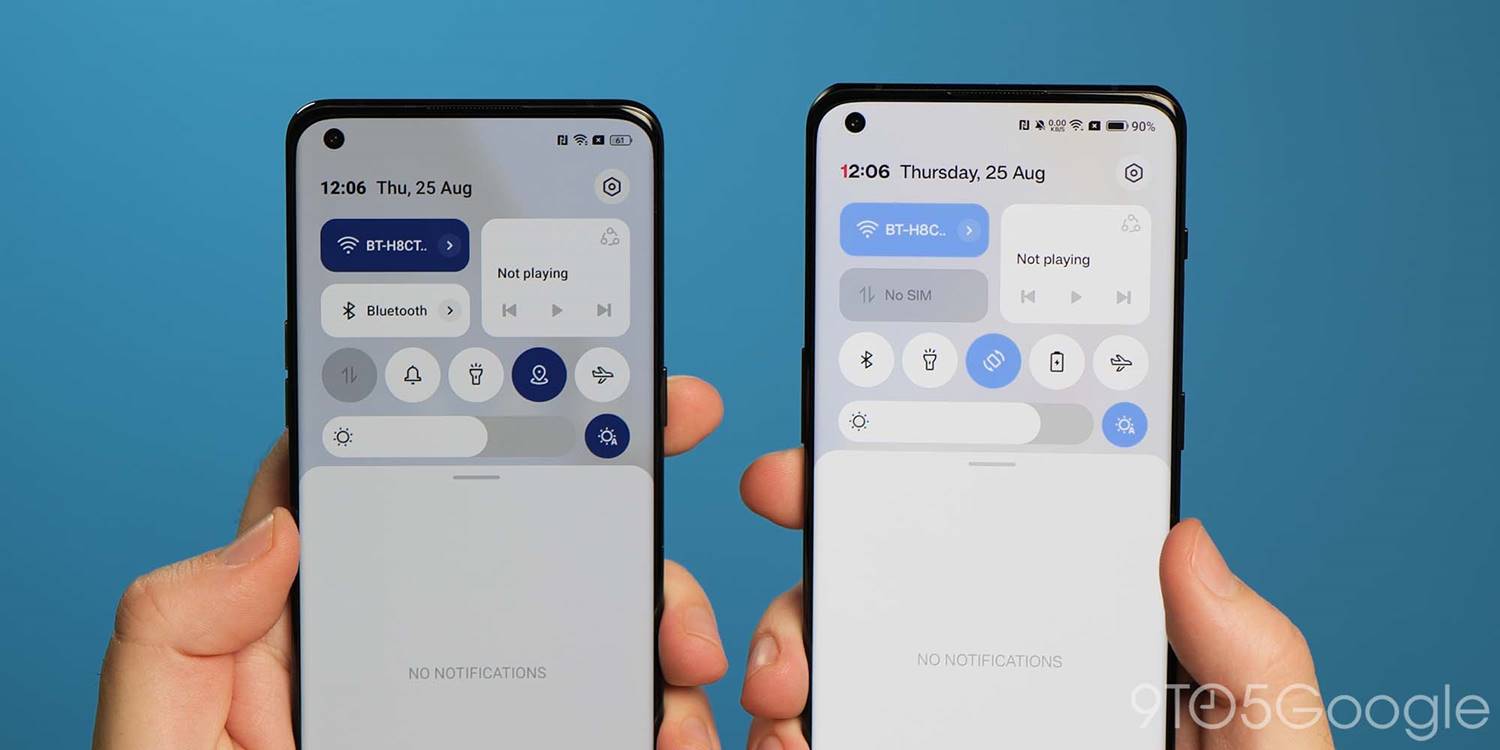
[Image Source: 9to5Google UI Comparison Report]
A side-by-side visual comparison showing the blurred styling differences between modern OxygenOS and Oppo's ColorOS interfaces.
Hardware Woes: The Infamous Green Line
As if the software identity crisis wasn't enough to alienate core fans, serious quality control problems began to surface on the hardware side. Starting around the OnePlus 8 series and persisting through multiple generations, users started waking up to a terrifying sight: a bright, permanent vertical green line running straight down their AMOLED displays.
While this screen issue occasionally popped up on other brands using similar display panels, it hit OnePlus users exceptionally hard, frequently appearing right after major system updates. The company was initially slow to acknowledge the problem globally, leaving loyal customers stranded with massive repair bills for a hardware fault they didn't cause.
Though OnePlus later offered a lifetime screen warranty in major markets like India to salvage customer trust, the damage to their reputation for premium build quality was already done. Frustrated fans voted with their wallets and defected to competitors who offered better reliability.

[Image Source: Reddit Community r/indiasocial User Submission]
A smartphone display ruined by the infamous, permanent vertical green line display panel defect.
The Mainstream Trap: Diluting the Brand
To grow into a global powerhouse, OnePlus realized it couldn't rely solely on tech-savvy enthusiasts. They needed to sell phones to everyday consumers who walk into carrier stores looking for a simple upgrade. To achieve this mass-market appeal, they shifted their corporate strategy in two major ways:
- Flooding the Market: They launched the budget-friendly Nord series. While it helped them sell millions of cheaper devices, it heavily diluted their premium brand image. Instead of releasing one or two polished flagship models a year, they started churning out dozens of regional variants, stretching their software support teams incredibly thin.
- Skyrocketing Prices: As they added high-end features like official water resistance ratings and expensive camera partnerships with Hasselblad, flagship prices crept closer to the $1,000 mark. Suddenly, they were no longer the "Flagship Killer"—they became the exact expensive corporate flagships they used to mock in their early ads.
This creates a fascinating paradox. If a OnePlus phone costs the exact same amount as an iPhone or a premium Samsung Galaxy, why would a mainstream consumer choose OnePlus? The unique value proposition vanished, leaving the brand stuck in the middle of no man's land.
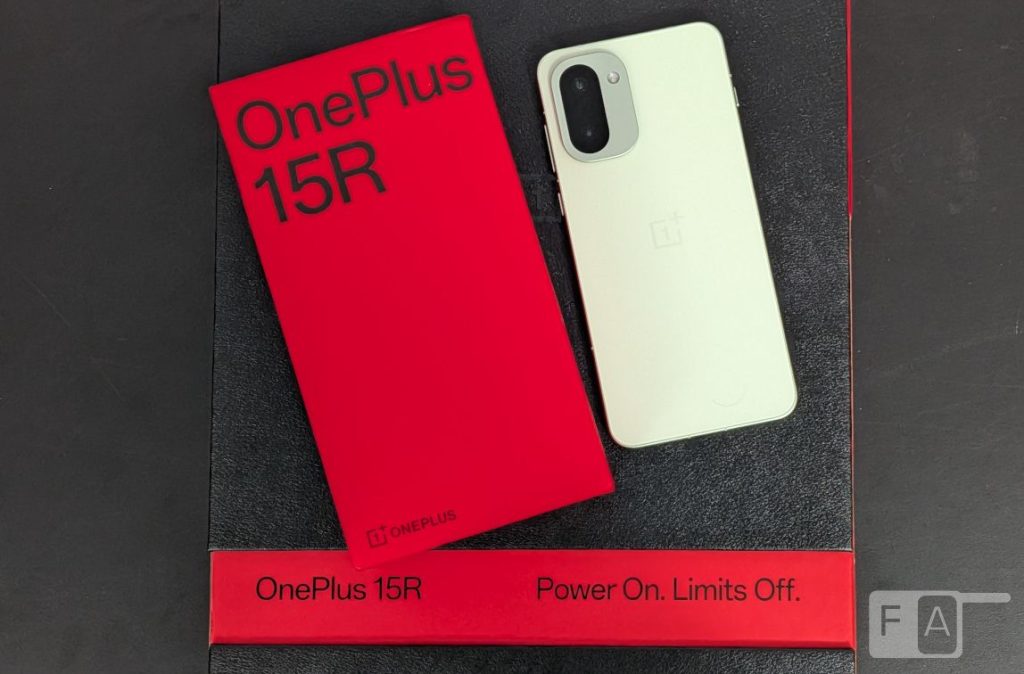
[Image Source: FoneArena Hardware Review Portal]
The familiar red box branding of a modern mid-range OnePlus expansion lineup device.
Real-World Friction: The Retail Backlash
The struggle isn't just happening on online forums; it's hitting physical retail networks too. In major markets like India—historically one of OnePlus's strongest strongholds—the brand faced severe pushback from physical retailers. Thousands of brick-and-mortar stores threatened to stop selling OnePlus devices entirely due to operational friction.
Local shop owners complained that OnePlus offered them razor-thin profit margins compared to other brands, while simultaneously providing incredibly poor customer service support for faulty devices. When local shop owners stop recommending a phone to everyday walk-in customers, a massive chunk of real-world sales volume vanishes overnight. It showed that the company was struggling to manage its relationship with the people selling its hardware.
Is OnePlus Actually Dead, or Just Evolving?
With global market share numbers shifting, it’s easy to look at this narrative as a tragic downfall. But is it truly the end of the road?
Not necessarily. While the hardcore tech community feels betrayed, parent company Oppo views the situation through a purely corporate lens. Recent flagships like the OnePlus 13 series have actually received glowing reviews for their massive 6,000mAh silicon-carbon batteries, incredibly fast 100W charging capabilities, flat ergonomics, and highly competitive pricing compared to ultra-premium phones.
The brand is simply repositioning itself. It is no longer an independent, quirky startup run by enthusiasts; it is a specialized, online-focused sub-brand of Oppo designed to capture specific market segments. The original OnePlus we fell in love with—the one driven by invite codes and custom software features—is gone, and it isn't coming back. But as a mainstream manufacturer, OnePlus is still fighting to settle into its new corporate identity.
What Do You Think?
Did you ever own a classic OnePlus device like the OnePlus One, 3T, or the legendary 7 Pro? Do you feel like the company lived up to its "Never Settle" promise, or do you think they completely sold out to appeal to the masses? Let us know your thoughts and personal experiences in the comments below!
Comments
Leave a Reply